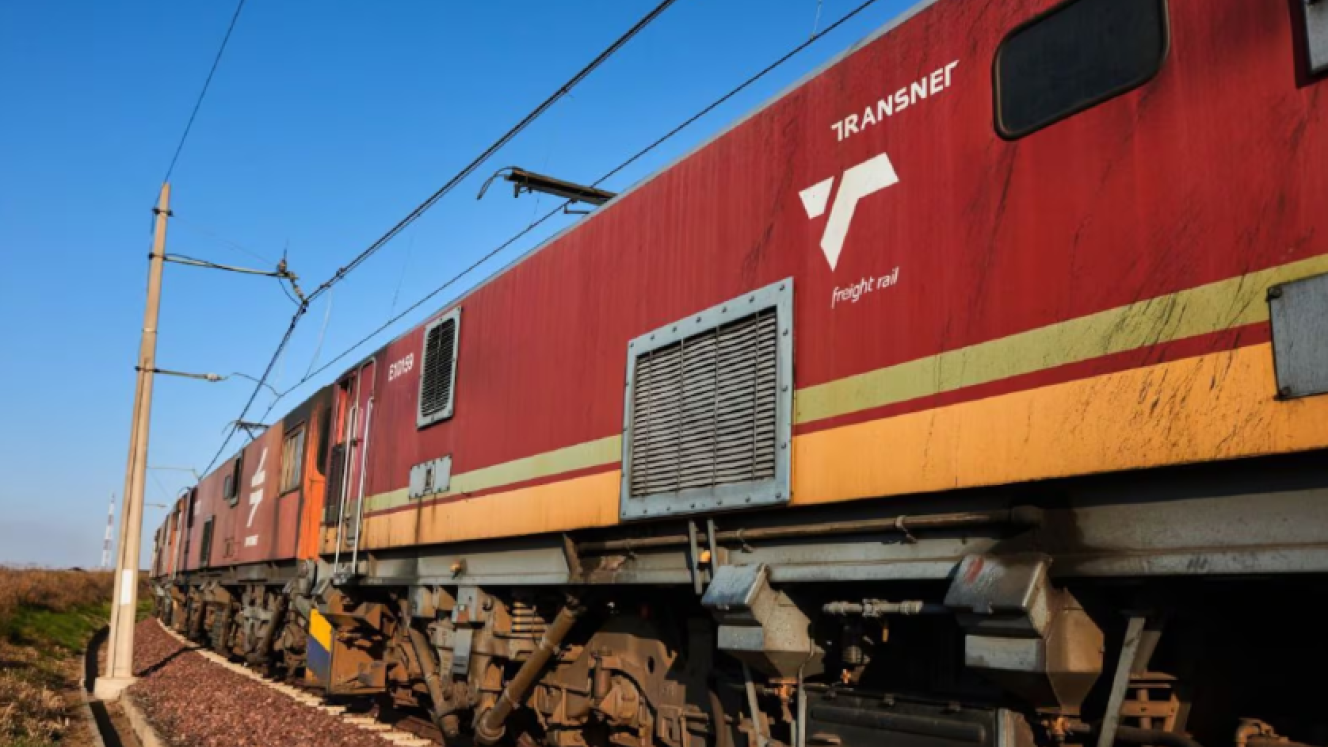
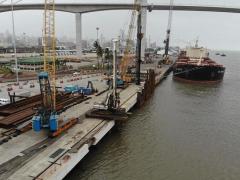
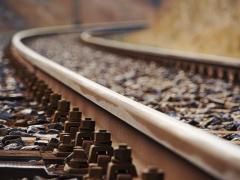
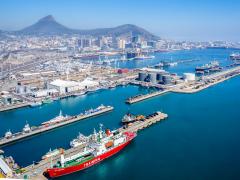
It is over a decade since a Freight News team overheard a conversation in a Lusaka hotel about plans to revive the 1 739-kilometre rail link between the Copperbelt and the Port of Lobito. Naturally, we introduced ourselves and since then have been following developments with interest. Today, the Lobito Corridor is living up to the vision of transforming regional mineral trade. The figures show it is diverting copper and cobalt exports from the traditional eastern and southern African ports to Angola’s Atlantic port. Volumes are projected to increase from 265 000 tons in 2025 to 1.5 million tons by 2030, and ultimately 4.6 million tons a year, proving the sceptics wrong. To be fair, the early stages of the revitalisation of Lobito and the railway were not made public. In 2006, China provided funding (and the construction company, labour, etc) for the reconstruction of the Benguela Railway line through an agreement with the Angolan government. Quay rehabilitation and extension to 1 122 metres was done between 2008 and 2010, followed by extension of the container terminal and dredging to 14.7m. Things started happening in 2022, when the Angolan government awarded a 30-year concession to the Lobito Atlantic Railway Consortium (LAR), consisting of Mota- Engil, Trafigura and Vecturis. It was signed in July 2023, and the first “experimental” train carried 960 tons of copper from Kolwezi in the Democratic Republic of Congo (DRC) to Lobito in January 2024. LAR secured $753m in financing from the US International Development Financial Corporation (DFC) and the Development Bank of Southern Africa (DBSA). The corridor now has strategic importance, providing Western countries with access to the cobalt and copper needed for electric vehicles and batteries in competition with China, which has largely secured the routes to the eastern seaboard. The United States has mobilised over $4 billion toward the Lobito Corridor infrastructure projects, which includes a direct $553m loan for the railway. The European Union has separately mobilised approximately €2bn in funding and support for the corridor, bringing total investments by key international players to over $6bn. The DBSA will contribute another $200m. Funding is needed to handle projected growth in volumes, with plans for a greenfields Zambian rail link and extension into the DRC well advanced. For cargo owners, the maths is simple – it offers a seven- to eight-day transit time compared to 25-50 days to Durban, with fewer border delays, and it is less than half the distance, all of which adds up to an estimated 30% to 40% cost saving. ER
Lobito transforming regional mineral trade
Comments | 0
© Now Media. This content is protected by copyright and may not be adapted or republished. If you would like to discuss cooperation opportunities, please contact: editor@freightnews.co.za.